91
Notes on a Writing Life
Issue 91
14 November 2026
Dear All,
Ospreys build large nests high above the landscape, frequently returning to the same nesting sites over successive breeding seasons.
These nests are constructed gradually from branches, grasses, and materials gathered from the surrounding world. Some grow substantially over many years.
Symbolically, the nest represents refuge, creative gathering, continuity, and the slow construction of a meaningful life.
It is a place of protection, but also of growth and transformation.
And there is a beautiful paradox in the nest: its purpose is not permanent shelter, but the nurturing of life until flight becomes possible.
Its teaching: Create a place of belonging that gives you the freedom to fly. (From a study of the Osprey as totem and symbol, as well as actual bird; also known as the Sea Hawk.)
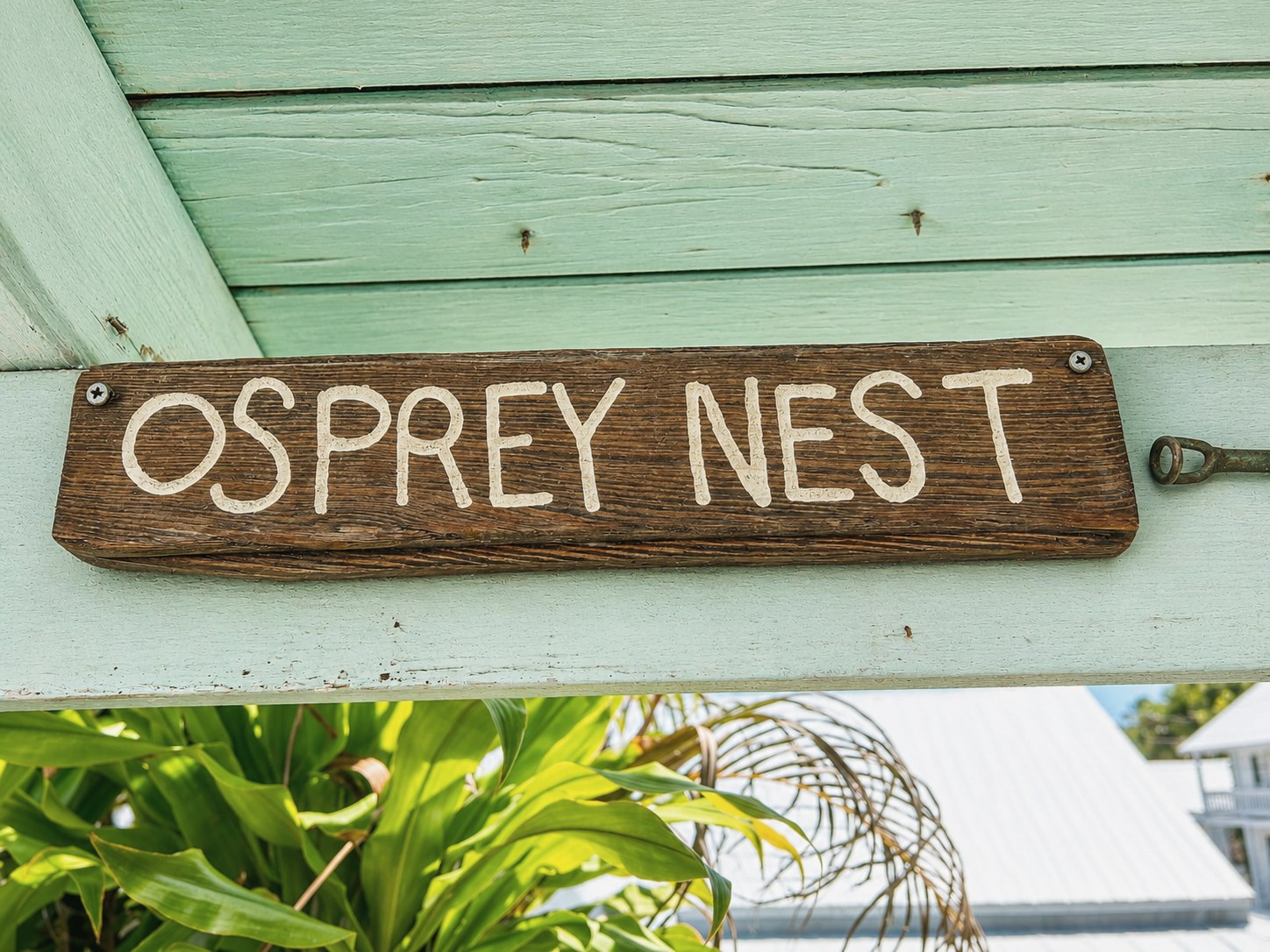
“The nurturing of life until flight becomes possible.” It’s an image I like for bringing a piece of writing to fruition, to the moment when the writer can let go and send out a manuscript, knowing that she or he has thoroughly nurtured its life.
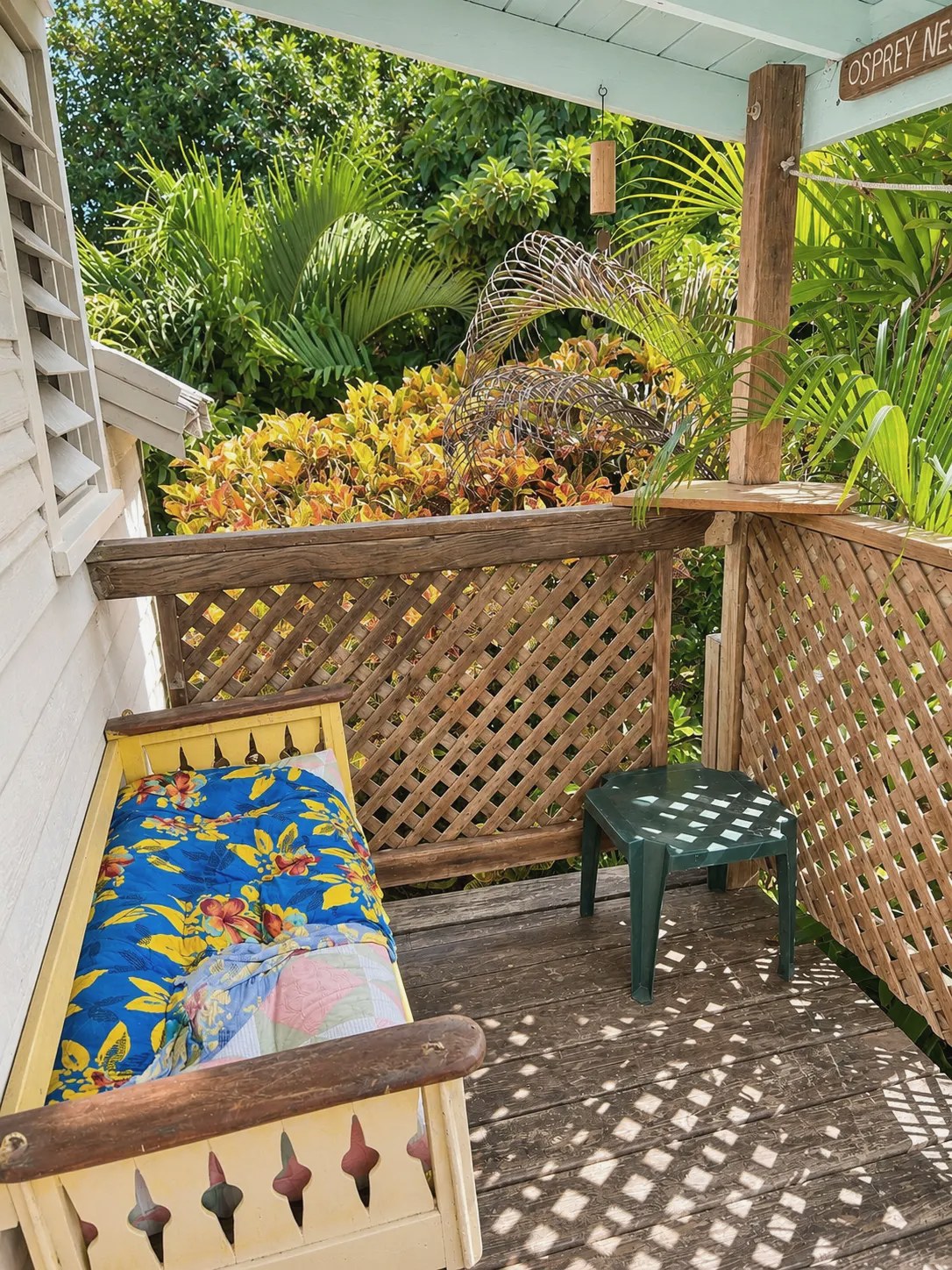
This year, we are once again offering the upstairs apartment we call the Osprey Nest to anyone who wants to begin, work on or finish a piece of work for a week or fortnight, with an option of a couple of hours’ sessions with me, if they want to discuss any aspect of the work, from its initial beginnings to what to do with it once finished. The apartment is up among tree-tops – palm trees, papaya, avocado and mango – and has a bird’s-eye view from its balcony. It has a separate entrance up some fairly steep stairs and has its own bathroom and cooking arrangements, though not a full kitchen. There are several restaurants and coffee shops nearby. It’s an old house, so there may be geckos and lizards around at times, and in the morning the roosters crow. We are in the center of Old Town, Key West. The weather is usually nice in winter, around 75 degrees, but there is a/c and a heater if needed. There’s also a spare bicycle.
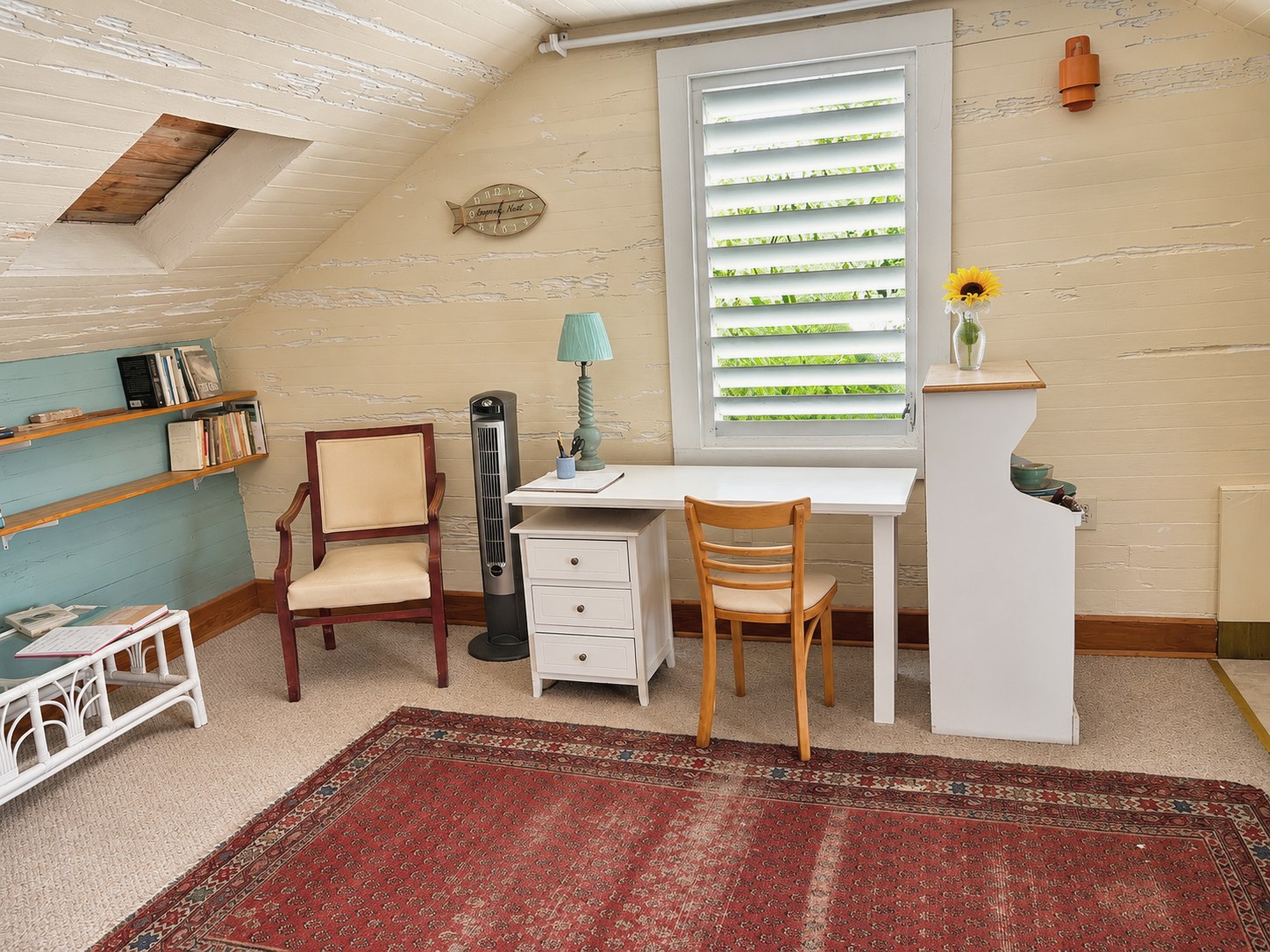
In the past, writers have begun and concluded works here, notably Linda Dittmar, author of the 2023 memoir on Israel and Palestine, “Tracing Homelands,” who returned in successive years once she had found us. Galen Williams, founder of Poets & Writers, spent several winters with us. We think it’s a good place to be alone, with company nearby, and time and space to meditate, write, read or sketch. If anyone reading this needs a winter get-away in the sun, a quiet place to write (well, as quiet as Key West gets) and some support from me as the writer downstairs, do get in touch for more details at rozbrackenbury@icloud.com.
The town always springs into action in the fall, with northerners beginning to return and events on every evening – cinema, theatre, art openings, potlucks and other get-togethers – but this year there seems to be a renewed energy around. Since last week’s election, we can breathe more freely. Nothing has substantially changed yet, but there’s real hope in the air. There does come a time when people have had enough of greed and spite – it’s been a relief to see this enacted at the ballot – and it’s good to see that money cannot buy everything, after all. You can be a billionaire and fail. This is where artists come in, we who historically have so little and yet create works that others buy and sell, often after our deaths. We know the worth of life has little to do with cash – although of course we need it to live.
I’m due to teach a class for artists and would-be artists this winter at The Studios of Key West, based on Julia Cameron’s follow-up to “The Artist’s Way.” It’s called “Walking In This World” and it includes a daily walk along with her usual recipe of morning pages and artist’s date. It’s because we think best while moving. The human body was made to move, not sit at a desk, and although our aches and pains can tell us this, we often don’t pay attention. It seems virtuous to spend long hours at our desks or in our studios – and sometimes, we have to. But who has not been for a walk and come back refreshed and energized and suddenly struck by the thought – ah, there’s the solution to a stuck painting, there’s my plotline’s connection, this is what my character must do next? The blank page or canvas is never the inspiration that the outer world can be; in fact it’s well known for creating anxiety.
Walking on this small island is limited in scope, but I often walk to the end of the pier to see the rising sun or full moon come out of the Atlantic to the east, or to the harbor to see sunset, or up over a bridge beside a row of moored fishing boats, or simply around the cemetery. It frees the mind as well as the body, and though I dream of long walks over hills and along open beaches, it’s good to feel the winter sun on me and notice the beauty of sea and sky. And to return to the osprey, who often hovers above the beach where we swim, to watch her swoop to catch a fish and carry it through the air. Fish caught, idea seized upon – there’s a metaphor to hold on to.
Affectionately,
Ros