88
Notes on a Writing Life
Issue 88
14 August 2026
August 14 2026
Dear all,
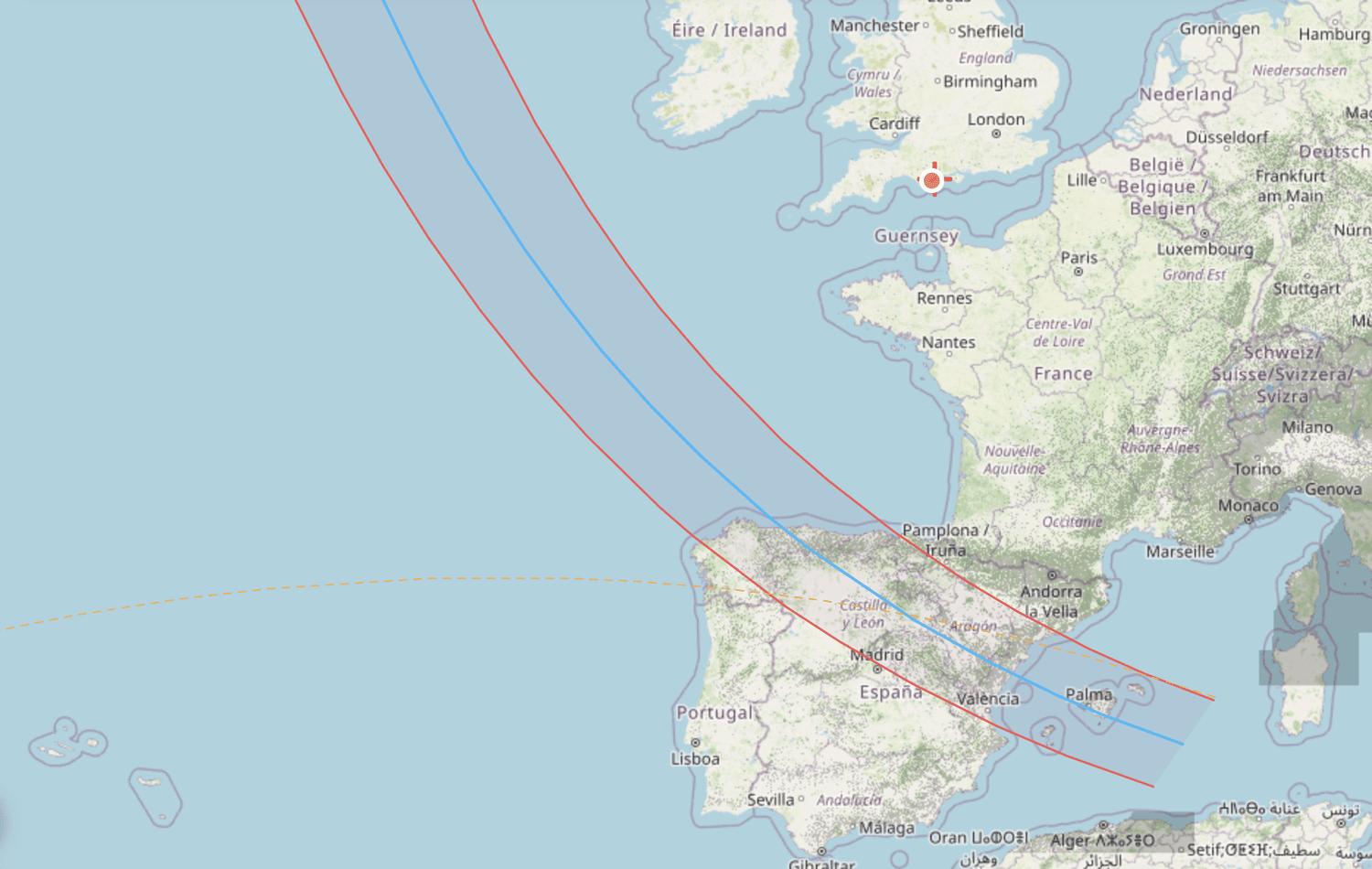
We’re in eclipse season, with the eclipse of the sun on August 12 totally visible in parts of Europe, and partially visible from the UK. The countryside in England, as across Europe, is uniformly brown and dry; I’ve never seen a summer like this one, blue skies day after day, not a drop of rain. I pause and look around me and in this dry hot season, recognize that I’ve come to the end of several long projects, and there is nothing that I have to do with any urgency. The latest of the projects, my new novel “Indigo Sky At Noon”, out next May from Regal House Press, is at the printing stage, and at this moment, I don’t have to do anything about it. I’ve been living with it since I began it during the pandemic, back in 2021. It’s a bit like seeing off a visiting relative, loved and valued but yes, it’s time for them to go: the feelings are of both relief and loss.
Here in the country, I see off friends and family, waving them to the end of the road, with similar feelings. Lovely to see you, sad to see you go – but, as I walk back to the emptied cottage, a sense of the freshness that comes from being once again alone. I confide to a friend of my own age that these days I love being alone, and she agrees. Do we have to be over eighty to value our own company so vividly? After a life involved with others – lovers, friends, children, husbands, colleagues, readers, students – there’s a quiet excitement in finding out who we are, when alone. And with the novel gone, and another still in the first-draft stage, and the weather too hot to concentrate, what do I do? Walk, swim, eat salads. Read, immerse myself in the work of another writer, finding out everything I can about her from reading her entire oeuvre in one go.
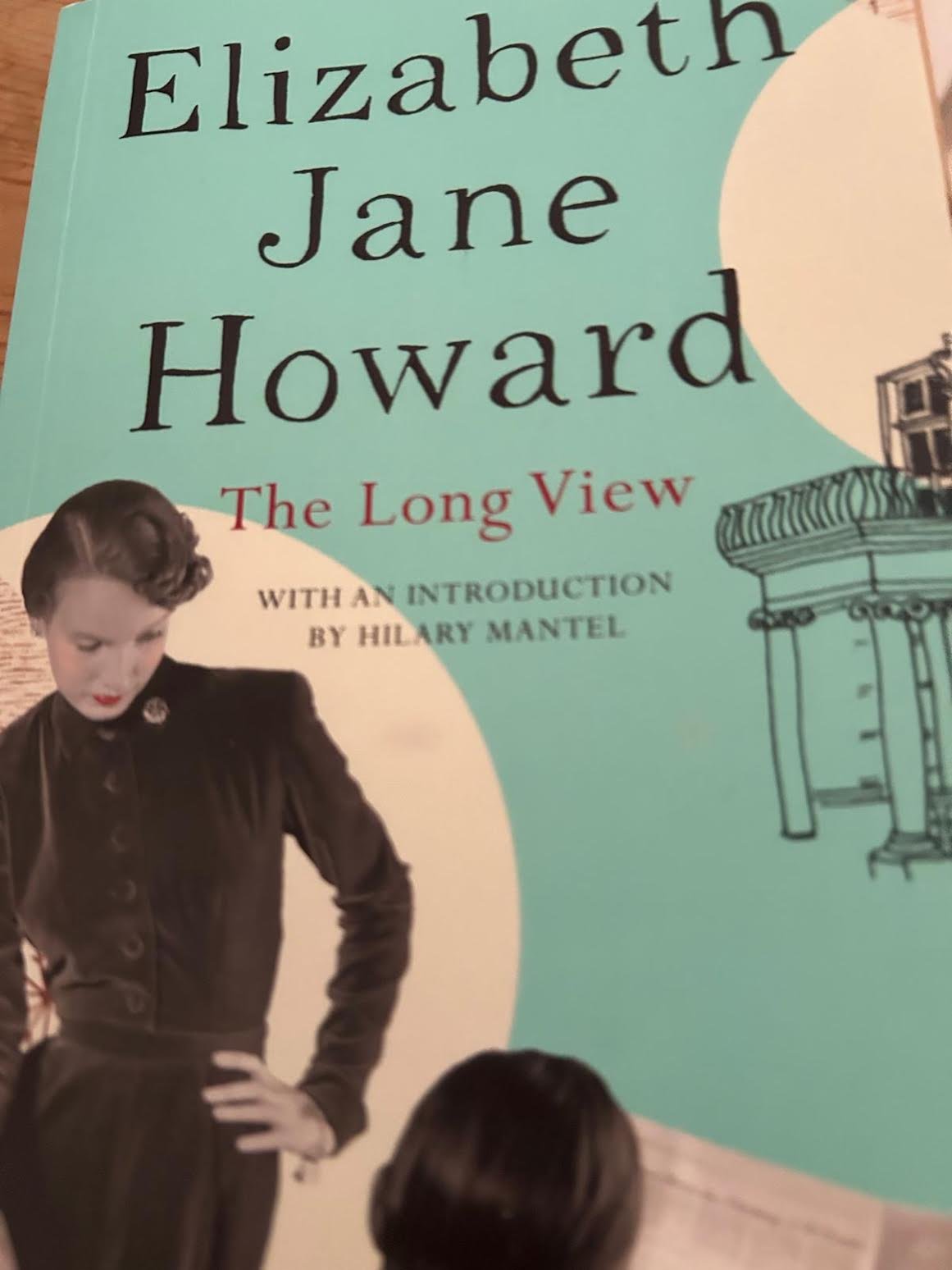
Elizabeth Jane Howard, who died at 90 in 2014, wrote novels and memoir, and I’d heard of her but never read her. In the memoir, I read how her first publisher had tried to argue her out of writing a novel backwards – i.e. starting in the present and working back into the past, not with flashback, but in tight narrative. She stuck to her guns, with great success, at least in my eyes: the novel, introduced in paperback by Hilary Mantel, is superbly constructed and written, and she was right. It’s called “The Long View” and it makes me think about how when we give up our quirky unpopular original ideas, we often lose the point, even if an editor prefers it their way. It’s one of the most acute and disturbing novels about a marriage that I have ever read.
My daughter and I were together at the last total solar eclipse, in 1999 at her house in southern Scotland and she’s with me now. We walked up the hill on the moor to experience the eclipse, viewing it through our cell phones, among small groups of people perched on other hills, who waved to us as we passed. There were hang-gliders overhead, and an ultra-light plane, and a helicopter. Slowly, the light changed and the whole landscape did not go dark – we were not in a place to see the totality - but it was as if light, life and memory were being drained from the land and sea. The archaic dread engendered by the sun eclipsing can still strike modern minds into alarm. A shudder seems to go through the world – another one. But this shudder is not from man-made horrors, just the ancient dread of darkness over the earth, however brief. The sun goes, and life goes with it. I’ve only ever experienced such a change before a hurricane in the tropics, when the pressure drops and the sky changes color and everything goes quiet. And then, a miracle, light grew back and we looked at each other in relief. People used once to pray that the sun would rise again after night; what did they feel when witnessing an eclipse? We are, after all, still at heart those ancient people, prone to terror and alarm, out of control of the elements; what does it remind us in 2026 to change in our lives, what to let go? We came back down the hill to beer and pizza in the pub, and life became normal again.
Be well, be safe,
Affectionately, Ros